



EV Insights


Industry Trends: Thailand's EV Infrastructure Accelerates as Charging Networks Scale Up

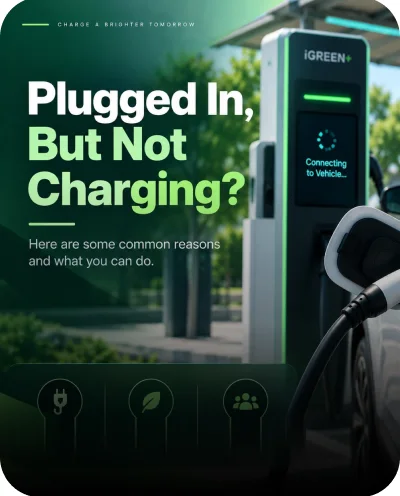
For many new EV drivers in Thailand, the difference between DC fast charging and AC charging is unclear, as is the effect of frequent fast charging on the battery. AC charging delivers lower, steady power and suits longer overnight stops. DC fast charging replenishes range quickly for journeys and is widely used at public charging stations. Each serves different needs; a suitable mix can balance convenience and battery life. Thailand's year-round heat also affects charging. At high temperatures, the vehicle's battery management system (BMS) can limit power. Insufficient charger cooling can trigger thermal protection and interrupt a session. Chargers designed for tropical conditions combine temperature management, overheating protection and weather resistance, working with the vehicle's BMS to adjust power. Avoiding strong midday sun where possible can also support a better charging experience. A few common misconceptions deserve attention. You do not necessarily need to charge to 100% every time; around 80% can cover daily commuting, while heat and prolonged high charge levels add battery stress. Avoid leaving the battery completely depleted. Finally, the vehicle determines its charging limit: a higher-powered charger cannot exceed what the vehicle supports. Understanding these basics helps drivers use public charging with greater confidence.
Read more
EV Knowledge: Fast vs. Slow Charging and Battery Care in Tropical Climates

For many new EV drivers in Thailand, the difference between DC fast charging and AC charging is unclear, as is the effect of frequent fast charging on the battery. AC charging delivers lower, steady power and suits longer overnight stops. DC fast charging replenishes range quickly for journeys and is widely used at public charging stations. Each serves different needs; a suitable mix can balance convenience and battery life. Thailand's year-round heat also affects charging. At high temperatures, the vehicle's battery management system (BMS) can limit power. Insufficient charger cooling can trigger thermal protection and interrupt a session. Chargers designed for tropical conditions combine temperature management, overheating protection and weather resistance, working with the vehicle's BMS to adjust power. Avoiding strong midday sun where possible can also support a better charging experience.

Read more
Market Insights: Local Operations Shape Long-Term Competitiveness in Thailand's EV Market

Thailand's EV market has moved beyond its early subsidy-driven growth phase. Buyers once focused mainly on purchase incentives. With more models now available, attention is shifting to charging convenience, after-sales maintenance and long-term ownership costs. Competing only on low installation costs or charging prices is difficult to sustain. User experience, station coverage and reliable availability are becoming central to drivers' choice of charging brand. Policy is also encouraging localization through domestic vehicle production, local supply chains and investment incentives. This puts pressure on short-term trading and remote-only operating models. For charging providers, relying solely on imported equipment and remote maintenance brings growing risks. Operators with local inventory, on-site engineers and responsive customer support, adapted to Thailand's grid conditions and hot, rainy climate, are better positioned to work with property owners, fleets and public-sector projects.

Read more